
Unlocking AI's Full Potential: What is the Model Context Protocol (MCP)?
Imagine an incredibly brilliant assistant, capable of understanding complex questions and generating insightful responses, but confined to a single room with no

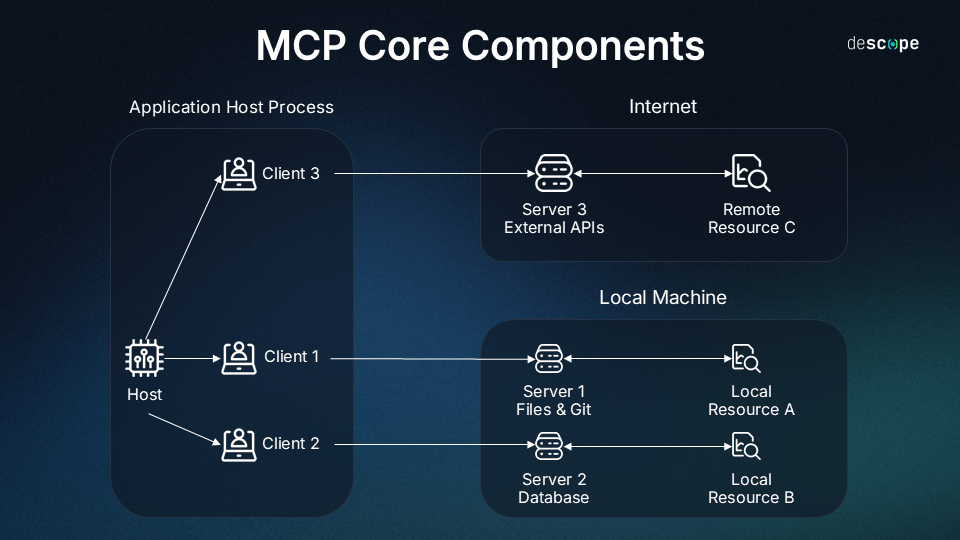
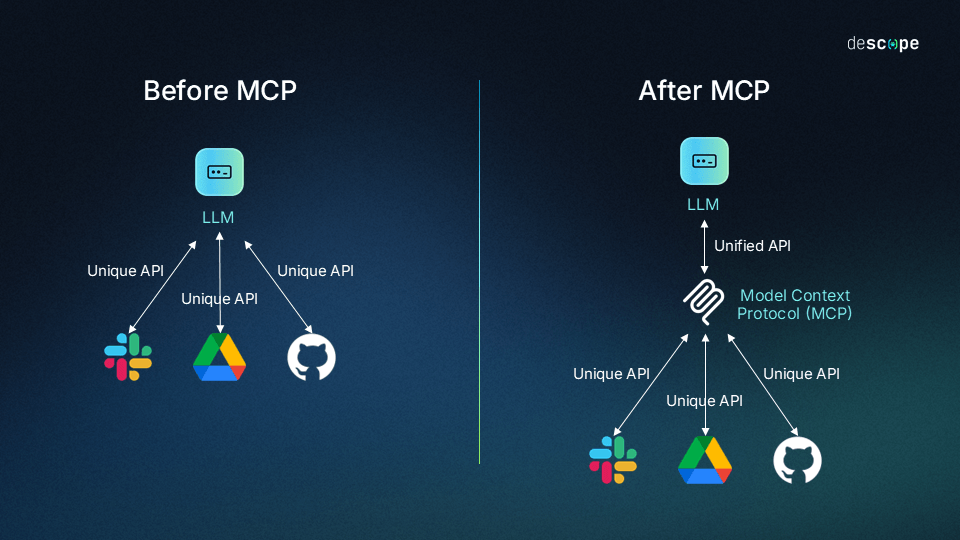
Imagine an incredibly brilliant assistant, capable of understanding complex questions and generating insightful responses, but confined to a single room with no access to the internet, no phone, and no external tools. This analogy highlights a significant limitation in many AI models today. While powerful, they often operate in isolation, unable to interact dynamically with the real-world data and services that define our digital landscape.
This is precisely where the Model Context Protocol (MCP) steps in. MCP is not just another acronym; it's a pivotal innovation designed to shatter these artificial barriers, enabling AI models to truly connect and interact with the vast ecosystem of external tools and services. It promises to transform AI from a static knowledge base into a dynamic, interactive agent capable of solving complex, real-world problems.
The Challenge: AI's Disconnect from Reality
Traditionally, AI models, especially large language models, have been trained on vast datasets, giving them impressive conversational and generative abilities. However, their knowledge is typically static, reflecting the data available up to their last training cut-off. They struggle with:
- Accessing real-time information (e.g., current weather, stock prices).
- Performing actions in the digital world (e.g., sending an email, booking a flight).
- Utilizing specialized external software or APIs for specific tasks (e.g., image manipulation, data analysis).
This inherent disconnect limits their utility, turning them into highly intelligent but ultimately siloed entities. Integrating them with external systems often requires custom, brittle code, making scalability and robust interaction a significant hurdle.
Enter the Model Context Protocol (MCP)
MCP emerges as a standardized solution to this critical challenge, acting as the universal translator and connector for AI models.
What Exactly is MCP?
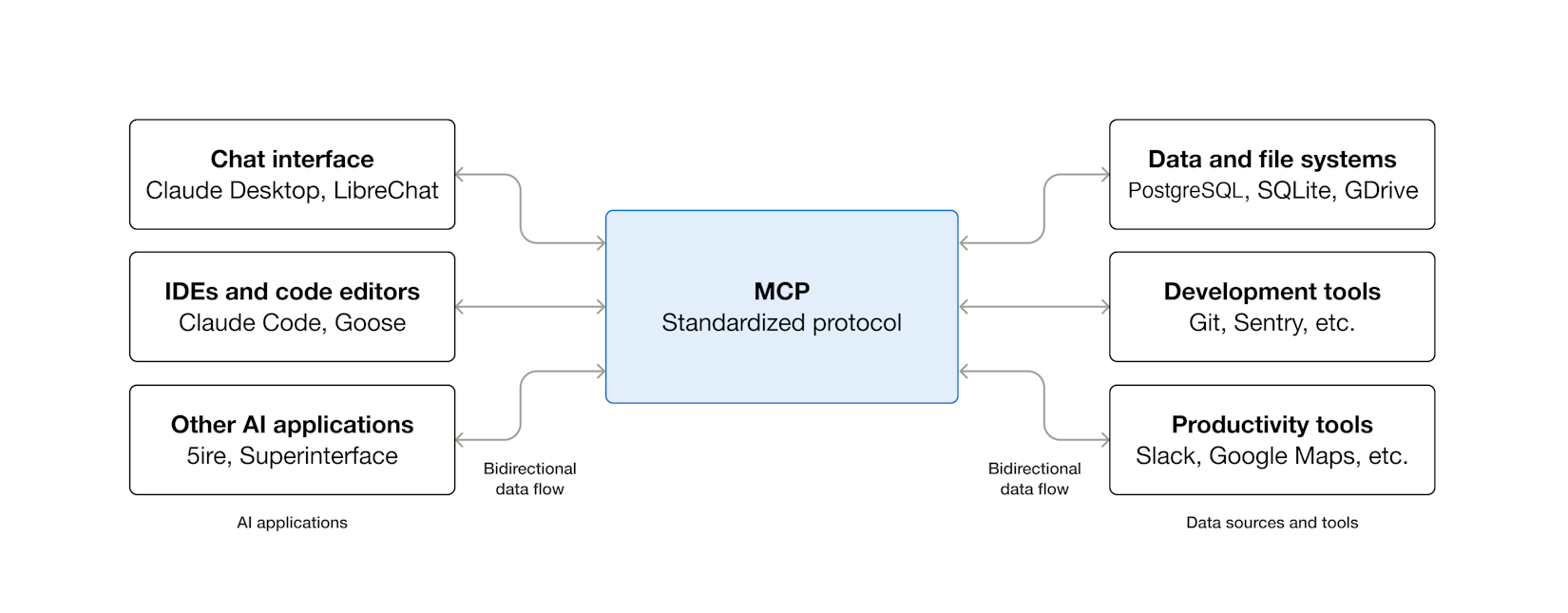
The Model Context Protocol (MCP) is a standard interface that empowers AI models to connect to external tools and services dynamically and intelligently. Think of it as a standardized API for AI models to discover, understand, and interact with the outside world. It provides a structured way for models to comprehend what tools are available, how to use them, and how to interpret their outputs.
How MCP Bridges the Gap
MCP defines a common language and framework for tool descriptions, invocation methods, and data exchange. This means:
- AI models can receive information about available tools (e.g., a search engine, a calendar app, a code interpreter).
- They can intelligently decide which tool is most appropriate for a given task.
- They can format requests to these tools in a standardized manner.
- They can process the tool's response and integrate that information back into their reasoning or generation process.
Key Problems MCP Exactly Solves
MCP directly addresses several fundamental limitations, dramatically expanding the capabilities of AI:
1. Overcoming Stale Knowledge and Limited Real-Time Data Access
Models can now use real-time search engines, news feeds, or proprietary databases to fetch the most current information, ensuring their responses are always up-to-date and relevant. This moves AI beyond its training data limitations.
2. Enabling Action and Interaction with External Tools
Instead of just answering questions, AI can perform actions. This includes scheduling meetings, sending messages, generating images using external APIs, or even running complex simulations, making AI a true agent of execution.
3. Facilitating Dynamic and Context-Aware Problem Solving
MCP allows AI to understand the context of a request, identify necessary external resources, and string together multiple tool uses to solve multi-step problems that would be impossible with isolated models. It fosters a more adaptive and intelligent problem-solving approach.
4. Streamlining Integration and Enhancing Scalability
By providing a standard protocol, MCP significantly simplifies the integration of new tools and services with AI models. Developers no longer need to write custom wrappers for every new integration, leading to faster development cycles, reduced complexity, and a more scalable AI ecosystem.
Conclusion: The Future of Connected AI
The Model Context Protocol is more than a technical specification; it's a gateway to a new era of AI, where models are not just intelligent but also highly capable and integrated. By solving the critical problem of AI's isolation, MCP paves the way for truly dynamic, adaptable, and context-aware AI agents that can seamlessly interact with our digital world.
What are your thoughts on AI's ability to interact with external tools? Share your perspectives and how you envision MCP impacting future AI applications!